
$300 and a pencil tablet: how Disney turned Mickey into a merchandise business
In 1929 a manufacturer paid Walt Disney $300 to put Mickey on a school pencil tablet. Four years later Macy’s sold 11,000 Mickey Mouse watches in a single day. What happened in between still shapes how licensed products are made.
Five years that built a business
- 1928Steamboat Willie opens on 18 November – the third Mickey cartoon made, not the first.
- 1929A manufacturer offers $300 to print Mickey on children’s pencil tablets.
- 1930Charlotte Clark’s Mickey doll – and the question of what Mickey should look like.
- 1932Kay Kamen, a former hat merchant and adman, becomes Disney’s sole licensing representative.
- 1933Ingersoll Waterbury launches the first Mickey Mouse watch; Macy’s sells 11,000 in one day.
Lesson one: own it before you sell it
Before Mickey there was Oswald the Lucky Rabbit – and Walt discovered that his distributor, not his studio, owned Oswald. Mickey followed. Recognition and ownership are separate questions, and a product range built on an unclear rights relationship can look convincing while being impossible to execute.
Lesson two: put the character on something people use
The first deal was small: $300 for a pencil tablet. But the object mattered more than the sum. A screen character moved into something children used every day. That is still the best question for a new range: what does this item do without the character, and what does the character add?
Lesson three: someone has to coordinate it all
Kay Kamen called Walt in 1932 and soon had a contract as the company’s sole licensing representative. He worked with manufacturers and personally sold their goods to department-store buyers. The Mickey watch made by Ingersoll Waterbury in 1933 sold a record 11,000 units at Macy’s in New York in a single day, and when Snow White opened in 1937, Kamen already had a full merchandising campaign in place – the first of its kind.
One collector-publisher later said Kamen “invented the whole licensing industry”. Whether or not that is the whole story, the pattern is clear: creative material, product development and retail timing were planned together.
Lesson four: the doll needed rules
D23’s history of the early Mickey doll links Charlotte Clark’s 1930 design with the effort to keep Mickey recognisable, and separates a home-sewing pattern from permission to make dolls commercially. A brand range needs more than a folder of attractive pictures: the brief has to connect the approved look to proportions, placement, construction and packaging.
Inside the archive behind these stories
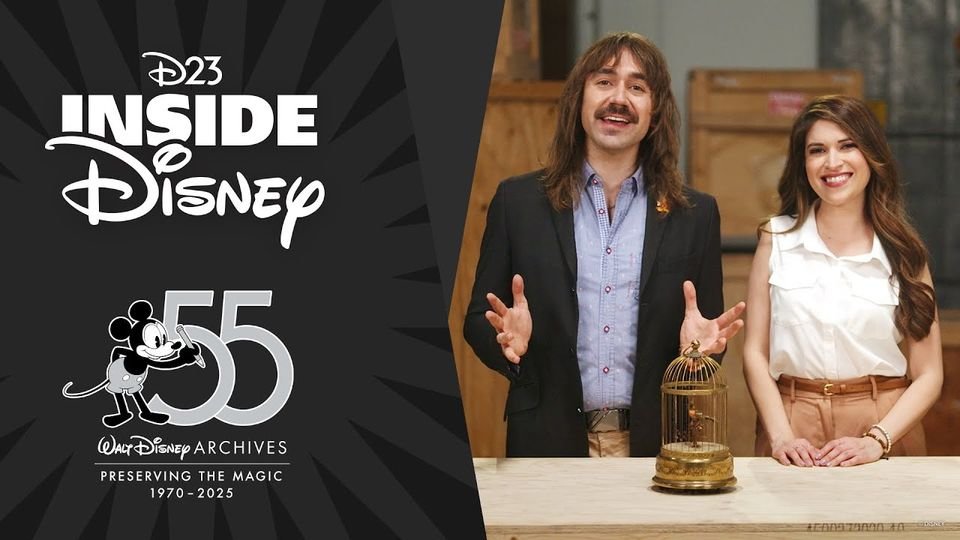
Disney’s own three-minute tour of the Walt Disney Archives, made for its 55th anniversary, shows the kind of collection these early objects now sit in.
What it means for a range today
| Question | What goes in the brief |
|---|---|
| Who controls the proposed use? | Named rights holder and approval contact |
| Who is the item for? | Audience, use and buying occasion |
| What must stay recognisable? | The specific visual reference and design decisions |
| When does retail need it? | A dated plan from sample to delivery |
Sources
- D23: Disney history
- D23: Merchandise
- D23: Kay Kamen (Disney Legends)
- D23: the early Mickey doll
- Disney: 55 years of the Walt Disney Archives (YouTube)
- CZWX catalogue and directories, counted 2026-10-17